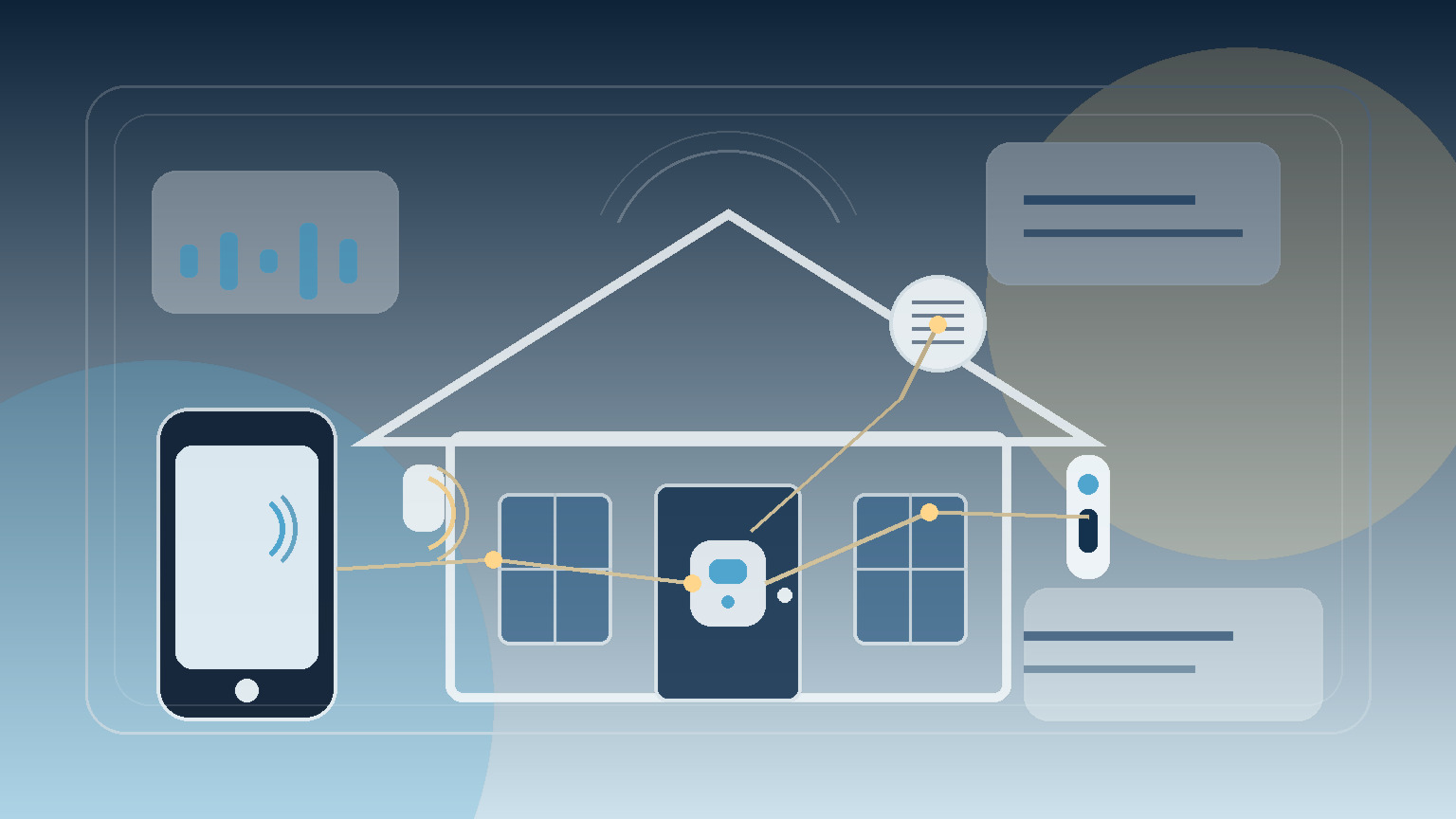
Matter 1.6 is not a flashy new camera or lock launch. It is the kind of standards update that quietly changes what smart home security shopping should look like for the rest of 2026. The headline features are better setup, clearer security-sensor history, better status reporting from smoke and CO alarms, and a more realistic path for households that want devices to show up across more than one ecosystem. That matters if you are buying sensors, locks, doorbells, or alarms now and do not want to get stuck in another round of half-compatible promises six months from today.
The Short Version
Matter 1.6 gives smart-home security buyers four practical things to watch: easier NFC-based setup, interoperable security-sensor event history, better smoke and CO alarm status reporting, and a more credible multi-ecosystem sharing model. It is meaningful groundwork, but it is still groundwork. Do not replace a stable system just because the spec moved. Do start favoring brands that clearly explain which Matter features they plan to ship, and when.
What Matter 1.6 Actually Changes for Security Buyers
The most immediate quality-of-life improvement is NFC-based commissioning. The Connectivity Standards Alliance says Matter 1.6 allows the full commissioning exchange to happen over NFC instead of using an NFC tap only as a shortcut before a Bluetooth step. For security buyers, that matters most in awkward installs such as wall switches, garage-entry doors, and mounted sensors where the setup flow can be more annoying than the device itself.
The more important home-security change is security sensor event history. Matter 1.6 gives compatible ecosystems a standardized way to read not only a sensor's current state, but recent activity. In plain English, that means the long-term promise of seeing more useful entry-sensor and motion-sensor context in the platform you already use, instead of bouncing between a device-maker app and your preferred smart-home dashboard. If you are comparing broader systems today, keep our best smart home security systems guide and best smart sensors guide open while you look at each brand's Matter roadmap.
Smoke and CO alarms also get a quietly useful upgrade. Matter 1.6 lets alarms report an unmounted state, which gives ecosystems a clearer signal when a device has been removed from its installed position and may no longer be protecting the room you think it is protecting. That is not a glamorous feature, but it is exactly the kind of detail that can make mixed-brand setups feel less blind over time. Buyers considering wider safety coverage should also cross-check our smart smoke and CO detector picks before assuming a Matter badge alone tells the whole story.
Why This Update Matters, and Why You Still Should Not Overreact
Matter 1.6 is more relevant than a generic standards bump because it targets real smart-home friction. The Alliance also says the release adds Joint Fabric support, a new way for multiple authorized controllers to co-manage one shared Matter network. For normal households, that translates into a simpler long-term idea: devices should have a better chance of appearing in the ecosystem each person in the home actually uses, without repeated one-off setup work.
That said, this is still a specification update first, not a guaranteed retail experience today. Recent market coverage has made the same point from the consumer side: Matter support can take months or even years to move from spec sheet to stable shipping behavior, and camera support added in earlier Matter releases has not suddenly transformed the home-security aisle overnight. That is why buyers should treat Matter 1.6 as a filter for future-proofing, not as a reason to throw out current buying logic.
The practical takeaway is simple. If you are shopping for front-door hardware right now, our best smart locks guide still matters more than the existence of a new spec. If you are comparing porch coverage, image quality, and package detection, our best video doorbells roundup is still the better starting point. If you are deep in Google Home planning, our Google I/O 2026 security analysis is the place to track how platform-level AI features and standards work may converge.
Who Should Act Now, and Who Should Wait
Act now if you are buying into a new ecosystem anyway. Matter 1.6 makes it easier to justify choosing brands that publish real compatibility roadmaps instead of vague "Matter coming soon" language. Multi-platform households, new-construction installs, and professionally managed properties stand to benefit the most from the new setup and sharing model.
Act now if your system leans heavily on sensors and alerts. Entry sensors, motion sensors, and connected smoke or CO alarms are where the new event-history and device-status language is most useful. Those features will not magically fix weak hardware, but they can make mixed-brand systems easier to understand once platforms and manufacturers implement them.
Wait if you were hoping Matter 1.6 instantly solves camera and doorbell fragmentation. It does not. Matter camera support is still maturing, and buyers should assume adoption will roll out unevenly. If you need dependable security hardware this month, buy on the quality of the current product, app, subscription model, and support history first. Consider Matter 1.6 upside, but do not let it override the basics.
Bottom Line
Matter 1.6 is one of the more credible smart-home updates security buyers have seen this year because it improves the boring parts that actually shape ownership: setup, state reporting, and cross-platform coordination. That does not make it urgent upgrade bait. It does make it a smart question to ask before you buy. The brands worth trusting in late 2026 will be the ones that can explain, clearly and publicly, which Matter 1.6 features they support for sensors, alarms, locks, cameras, and doorbells, and when those updates will reach real customers.
FAQ
Does Matter 1.6 mean I should wait to buy a smart lock or security system?
No. Buy based on the hardware and app experience available today. Matter 1.6 is a strong future-proofing signal, not a blanket reason to delay a solid purchase.
Which Matter 1.6 feature matters most for home security?
Security sensor event history is the most meaningful long-term change because it could make door, motion, and safety devices easier to understand across multiple ecosystems instead of inside only one brand app.
Will existing Matter devices get these features automatically?
Not necessarily. The Alliance published the specification, but device makers and platform companies still control if, when, and how they implement each feature on shipping hardware.